Inorganic Pigments including: Iron Oxide Pigment, Chrome Pigment, Complex Inorganic Pigment, Ultramarine, Carbon Black and Titanium Dioxide.
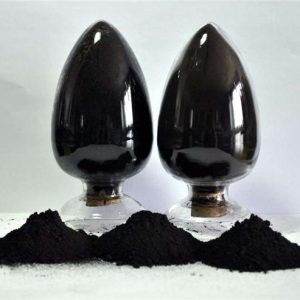
Pigment Black 7
Wide range and applicaitons of black pigments. Recommend for printing inks, coatings, plastics. leather paste, fibers etc. Different surace area from 30-580 ㎡/g can meet different customer’s requirements.
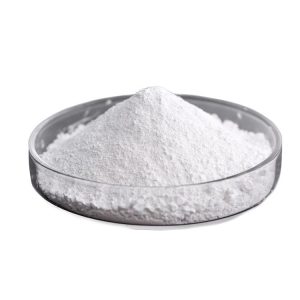
Rutile Type Titanium Dioxide TiO2
MBR9601 is an inorganic (SiO2, Al2O3) and special organic chemicals surface treated rutile grade titanium dioxide. It combines with high whiteness, high gloss, excellent tinting strength and weather durability, low oil absorption and ease of dispersion in both water and solvent based system. The quality is at the high level of China market and the price is very competitive which welcomed by both domestic and overseas customer.
Inorganic Pigments can be divided into 12 categories: red, orange, yellow, green, blue, purple, brown, black, white, metallic, luminescent pigments, and complexed Inorganic Pigment.
- Red Inorganic Pigments include Iron Oxide Red and Molybdenum chromium red (PR104). Iron Oide Red has good covering and coloring power, chemical resistance, color retention, dispersibility, and is relatively affordable. Iron oxide red is used in the production of floor paint and marine paint. Due to its significant anti rust properties, it is also the main raw material for making anti rust paint and primer. Molybdenum chromium red has been widely used in coatings,pleastic and inks.
- Yellow Inorganic Pigments mainly varieties such as lead chrome yellow (lead chromate), zinc chrome yellow (zinc chromate), cadmium yellow (cadmium sulfide), and iron yellow (hydrated iron oxide). Among them, lead chrome yellow is the most widely used and has the largest production. Lead chrome yellow has strong covering power, bright color, and is easy to disperse, but it is prone to darkening under sunlight. Bismuth Vanudate Yellow (PY184) has become the best inorganic yellow pigment due to its strong coloring power, strong covering power, and no harm to human health and the environment, attracting increasing attention from people.
- Green Inorganic Pigments mainly include two types: chromium oxide green and lead chromium green. Chromium oxide green has excellent light resistance, heat resistance, and chemical resistance, but its color is dark and its coloring and covering power are poor. Lead chromium green has lower durability and heat resistance than chromium oxide green, but it has a bright color, good dispersibility, and is easy to process. Due to the presence of toxic heavy metals, its usage has gradually decreased since the emergence of organic pigments such as phthalocyanine green.
- Blue Inorganic Pigments mainly varieties such as iron blue, cobalt blue, and ultramarine. Among them, the production of ultramarine is relatively large. ultramarine is alkali resistant but not acid resistant, with bright and bright colors and high temperature resistance. Iron blue is acid resistant but not alkali resistant, with higher coverage and coloring power than ultramarine, and poorer durability than ultramarine. Since the introduction of phthalocyanine blue into the market, its coloring power is twice that of iron blue, and its other properties are also good, so the amount of iron blue used has been decreasing year by year. Cobalt blue has high temperature resistance and excellent light resistance, but its coloring and covering power are slightly poor, and its price is high, which limits its use.
- Iron Oxide Brown blended products have the characteristics of iron oxide red and iron oxide yellow. Iron brown also has a wide color range and strong adaptability. Compared with iron oxide red and iron yellow, it has a wider range of applications and is more suitable for users.
- Carbon Black include gas and furnace processing methods are widely used in Coating (Industrial, primer, metallic, wood, powder coating); Printing inks (Offset Ink, Gravure ink, Flexographic Inks, Relief ink, Screen Ink and Glass printing ink); Plastic, Wire, Cable, Sythetic Leather, sealant and color paste etc.
- Titanium Dioxide includes sulfuric acid method and chlorination method. Zhenyan Chem supply Rutile Titanium Dioxide and Anatase Titanium Dioxide. These products have important applications in industries such as coatings, inks, papermaking, plastics and rubber, chemical fibers, ceramics, etc.
Inorganic pigments are widely used in coatings, plastics, synthetic fibers, rubber, construction materials, inks, paper, stationery and glass, enamel, ceramics industry."
Inorganic Pigments can be divided into 12 categories: red, orange, yellow, green, blue, purple, brown, black, white, metallic, luminescent pigments, and organic pigments.
Red Inorganic Pigments include Iron Oxide Red and Molybdenum chromium red (PR104). Iron Oide Red has good covering and coloring power, chemical resistance, color retention, dispersibility, and is relatively affordable. Iron oxide red is used in the production of floor paint and marine paint. Due to its significant anti rust properties, it is also the main raw material for making anti rust paint and primer. Molybdenum chromium red has been widely used in coatings, such as making orange red coatings. It can also be combined with white anti rust pigment to create a molybdenum chromium red anti rust paint with a red lead like appearance. Molybdenum chromium red is often used in color matching with organic pigments with good sun resistance, resulting in a bright red baked paint that is solvent resistant, does not emit golden light, and can withstand baking temperatures. Used for plastic coloring, molybdenum chromium red is often combined with organic pigments with good heat resistance to form a bright heat-resistant bright red color, and can be combined with carbon black to form a coffee color. In terms of ink usage, molybdenum chromium red is an orange red pigment with similar application performance to chrome yellow.
Yellow Inorganic Pigments mainly varieties such as lead chrome yellow (lead chromate), zinc chrome yellow (zinc chromate), cadmium yellow (cadmium sulfide), and iron yellow (hydrated iron oxide). Among them, lead chrome yellow is the most widely used and has the largest production. Lead chrome yellow has strong covering power, bright color, and is easy to disperse, but it is prone to darkening under sunlight. The covering power and coloring power of zinc chromium yellow are inferior to lead chromium yellow, but the color is light and has good light resistance. Cadmium yellow has good heat and light resistance, bright color, but its coloring and covering power are not as good as lead chrome yellow, and its cost is also high, which limits its application. Lead chromium yellow and cadmium yellow both contain heavy metals and cannot be used for coloring children's toys, educational supplies, and food packaging. Iron yellow color is relatively dark, but it has good durability, dispersibility, covering power, heat resistance, chemical resistance, and alkali resistance, and is inexpensive, so it is widely used for coloring building materials. Besides, Bismuth Vanudate Yellow (PY184) has become the best inorganic yellow pigment due to its strong coloring power, strong covering power, and no harm to human health and the environment, attracting increasing attention from people.
Green Inorganic Pigments mainly include two types: chromium oxide green and lead chromium green. Chromium oxide green has excellent light resistance, heat resistance, and chemical resistance, but its color is dark and its coloring and covering power are poor. Lead chromium green has lower durability and heat resistance than chromium oxide green, but it has a bright color, good dispersibility, and is easy to process. Due to the presence of toxic heavy metals, its usage has gradually decreased since the emergence of organic pigments such as phthalocyanine green.
Blue Inorganic Pigments mainly varieties such as iron blue, cobalt blue, and ultramarine. Among them, the production of ultramarine is relatively large. ultramarine is alkali resistant but not acid resistant, with bright and bright colors and high temperature resistance. Iron blue is acid resistant but not alkali resistant, with higher coverage and coloring power than ultramarine, and poorer durability than ultramarine. Since the introduction of phthalocyanine blue into the market, its coloring power is twice that of iron blue, and its other properties are also good, so the amount of iron blue used has been decreasing year by year. Cobalt blue has high temperature resistance and excellent light resistance, but its coloring and covering power are slightly poor, and its price is high, which limits its use.
Iron Oxide Brown blended products have the characteristics of iron oxide red and iron oxide yellow. Iron brown also has a wide color range and strong adaptability. Compared with iron oxide red and iron yellow, it has a wider range of applications and is more suitable for users.